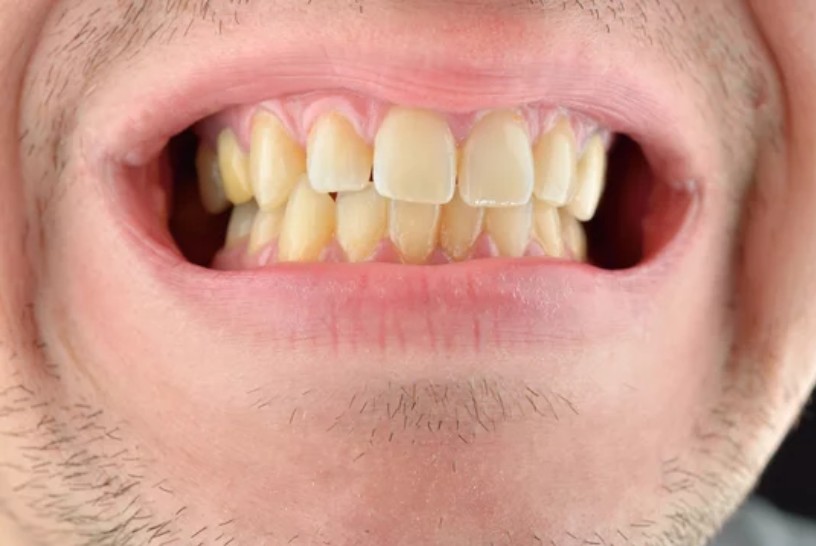
Have you looked at an older photo and wondered why your teeth seemed whiter back then?
Teeth often become more yellow or dull with age, even when you brush regularly and take good care of them. In many cases, the change has less to do with poor oral hygiene and more to do with what happens naturally to teeth over time.
Here are some of the most common reasons your smile may look different as you get older.
Why do teeth naturally become more yellow with age?
One of the biggest reasons is enamel wear.
Enamel is the hard, white outer layer of a tooth. Underneath it is dentin, which has a naturally more yellow color.
After years of chewing, grinding, and everyday use, enamel can gradually become thinner. As that happens, more of the dentin underneath becomes visible. The result can be teeth that look warmer, darker, or more yellow than they did when you were younger.
That change can happen even when your brushing and flossing habits are good.
Do coffee, tea, and other foods make teeth look darker?
They can.
Coffee, tea, red wine, soda, and certain sauces can gradually leave surface stains on teeth. Those stains may build up over many years.
Age can make this more noticeable because enamel may become slightly more porous over time, allowing stains to settle into the surface more easily.
Brushing helps, but it may not remove every stain that has accumulated over the years.
What do tiny cracks and everyday wear have to do with tooth color?
Teeth go through a lot during a lifetime.
Small areas of wear and microscopic cracks can develop in the enamel over time. These surface changes can catch stains and make the color of a tooth appear less even.
They do not necessarily mean something is wrong. In many cases, they are simply another part of normal wear.
Is it normal for teeth to change color as you get older?
Yes. Teeth are not expected to stay exactly the same shade throughout your life.
Just as other parts of the body change over time, the appearance of teeth can change too. A slightly darker or warmer shade can simply be part of aging.
That is one reason yellowing teeth are not automatically a sign that someone has neglected their oral health.
Can old fillings or dental work affect how my smile looks?
Sometimes.
Natural teeth and dental restorations do not always change color in the same way. If the surrounding teeth become darker or pick up stains over time, an older filling or restoration may begin to stand out more than it once did.
This can create uneven shades across the smile, even when the restoration itself has not changed significantly.
Can yellow teeth be whitened?
Depending on what is causing the discoloration, there may be several options.
Whitening toothpastes can help remove some surface stains. Professional whitening treatments can address deeper discoloration and brighten the internal color of natural teeth.
For more significant color changes, other cosmetic dentistry options may sometimes be considered. The original color change, existing dental work, and the condition of your teeth all matter when deciding what makes sense.
For example, veneers may be one option in certain situations where changing the appearance of the teeth involves more than removing surface stains.
If whitening is what you are considering, you may also want to read our guide to the safest way to whiten your teeth.
How can I help keep my teeth from looking more stained?
You cannot completely stop the natural changes that come with aging, but daily habits still matter.
Brush twice a day with fluoride toothpaste and floss daily. Regular dental cleanings can also help manage buildup and surface staining that brushing at home may not fully remove.
If you regularly drink coffee or tea, drinking water afterward may help reduce how long staining substances remain on the teeth. Cutting back on frequent exposure to foods and drinks that stain can also help.
Routine family dentistry visits give your dentist a chance to monitor changes in your teeth and determine whether discoloration is simply cosmetic or deserves a closer look.
When should I ask my dentist about changing tooth color?
Gradual yellowing is common, but you do not have to guess about what is causing a change in your smile.
A dentist can look at whether the color difference appears to come from surface staining, enamel changes, existing dental work, or another factor. From there, you can discuss whether whitening or another cosmetic option is appropriate.
The main thing to remember is that teeth often look more yellow with age because enamel becomes thinner and stains accumulate over time. It does not automatically mean your teeth are unhealthy or that you have done something wrong.
If the change bothers you, Dental Care of Lucas can help you understand what may be causing it and discuss options for maintaining or improving the appearance of your smile.