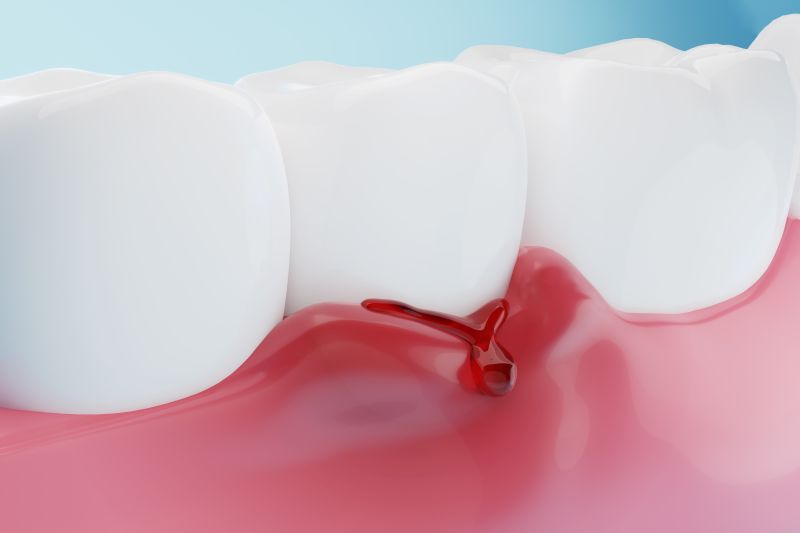
Gum disease often starts quietly. A little bleeding when you brush. Gums that stay tender longer than they should. Because it shows up in the mouth, most people assume the effects stop there. Research suggests the story is bigger.
Over the past several years, scientists have taken a closer look at how oral health connects to the rest of the body. One of the most consistent findings is the relationship between periodontal disease and heart health. They may seem unrelated. Biologically, they’re not.
What’s the Connection Between Gum Disease and Heart Health?
Gum disease is driven by bacteria and long-term inflammation around the gums. When that tissue stays inflamed, especially when it bleeds easily, bacteria can enter the bloodstream. Once circulating, it doesn’t just disappear.
Large, long-term studies show that people with moderate to severe gum disease are more likely to develop coronary heart disease than those with healthy gums. This trend appears across different ages and populations, which is why it continues to get attention.
One explanation involves inflammation inside blood vessels. Bacteria commonly linked to gum disease have been found in arterial plaque. When blood vessel walls stay irritated, plaque buildup happens more easily. Over time, narrowed arteries raise the risk of heart attacks and strokes.
Advanced imaging studies support this. Patients with active gum inflammation are more likely to show signs of arterial inflammation as well, sometimes before heart disease causes noticeable symptoms. Inflamed arteries are less stable and more vulnerable to sudden blockages.
Can Gum Disease Affect Your Heart Over Time?
There’s also an immune response to consider. Antibodies that target gum disease bacteria have been detected in the bloodstream, suggesting the body is reacting beyond the mouth. When researchers combine results from many independent studies, the pattern stays consistent. Untreated periodontal disease is associated with a higher rate of heart disease.
This doesn’t mean gum disease directly causes heart disease. Treating your gums doesn’t replace heart medications or cardiac care. But chronic oral inflammation and repeated bacterial exposure can add strain to the cardiovascular system over time.
Does Treating Gum Disease Lower Heart Disease Risk?
Managing gum disease helps reduce inflammation throughout the body. Daily brushing, flossing, and regular dental visits all play a role. Professional cleanings and routine exams are especially important when early signs of gum disease are caught before they progress.
Some patients need more than routine care. When gum disease has already affected the teeth or supporting structures, repairs to restore strength and function may be recommended as part of a longer-term plan.
Routine exams are often where gum problems are first noticed, long before serious damage occurs. For patients in Lucas, keeping gums healthy isn’t just about protecting teeth. It’s one practical step toward supporting long-term health.
If you’d like to learn more about our approach or schedule a visit, you can start at the Dental Care of Lucas.
You may also find these related articles helpful:
- What You Should Know About Gum Health, which breaks down early warning signs many patients overlook
- Can You Skip the Dentist If Nothing Hurts?, a common question tied closely to gum disease prevention