It's a fair question, and one we hear a lot. If you're brushing twice a day and flossing regularly, you're already doing the most important part of keeping your mouth healthy. So what's left for a professional cleaning to do?
The short version: even great home care can't get everything.
What can't brushing and flossing remove?
When you brush and floss, you clear away plaque, the soft, sticky film of bacteria that's constantly forming on your teeth. The problem is timing. Plaque starts hardening into tartar (also called calculus) in as little as 24 to 72 hours. Once it hardens, it locks onto the tooth surface, and no amount of brushing or flossing at home will lift it off. Removing it safely takes special instruments, which is a big part of what a routine cleaning is actually for.
What happens when tartar builds up?
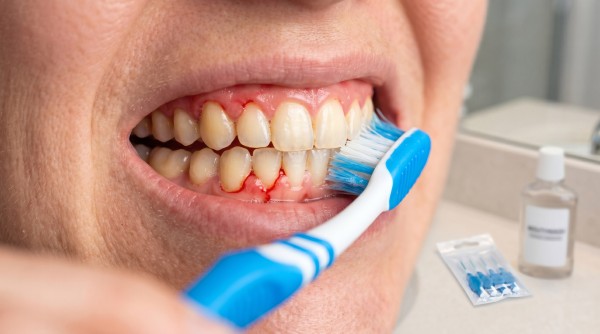
Left in place, tartar irritates the gums, and that's often where gingivitis begins. Gingivitis is the earliest stage of gum disease, and it usually announces itself as gums that bleed a little when you brush or floss. The encouraging part is that at this stage it's typically reversible, with a professional cleaning and steady home care. Ignore it, though, and it can move into more serious gum disease that starts affecting the bone holding your teeth in place. If you want a fuller picture of the warning signs, here's more on gum health.
Some spots are just hard to reach on your own
There's also the simple matter of geography. Parts of the mouth are tough to clean well by yourself, even when you're diligent about it. The tight spaces between teeth, the area behind your back molars, and certain spots along the gumline all give bacteria a place to settle in over time.
A cleaning is more than a polish
Here's the part people tend to overlook. A cleaning appointment isn't only about leaving with smoother, brighter teeth. While your dental team is in there, they're also checking for cavities, signs of gum disease, oral cancer, bite problems, and other concerns. Catching any of that early usually means simpler, less expensive treatment later on. That early-detection piece is exactly why skipping the dentist when nothing hurts tends to backfire, since a lot of dental problems are painless right up until they aren't.
Think of it like preventive maintenance for your car. You change the oil not because something is wrong today, but because skipping it is how small problems turn into expensive ones.
How often do I actually need one?
For most people, every six months works well. Some patients need to come in more often, particularly those dealing with gum disease, dry mouth, or a history of frequent cavities. Your dentist can tell you what makes sense for your situation rather than defaulting to a one-size-fits-all schedule.
None of this replaces what you do at home. Brushing and flossing are the foundation, and we genuinely like seeing patients who take that seriously. Professional cleanings just add the layer home care can't reach, which is what keeps a healthy smile healthy over the long run.
Questions about your own routine, or due for a visit? You can find us at Dental Care of Lucas.
Does a dental cleaning hurt?
For most people, a routine cleaning is painless. You'll feel some scraping and pressure while tartar is removed, and a bit of tenderness is possible if your gums are already inflamed. If any part of it is uncomfortable, tell your hygienist, because there are ways to make the visit easier.
Have a Question?
Keeping up with home care is a great start. If it has been a while since your last cleaning, call us or book online.