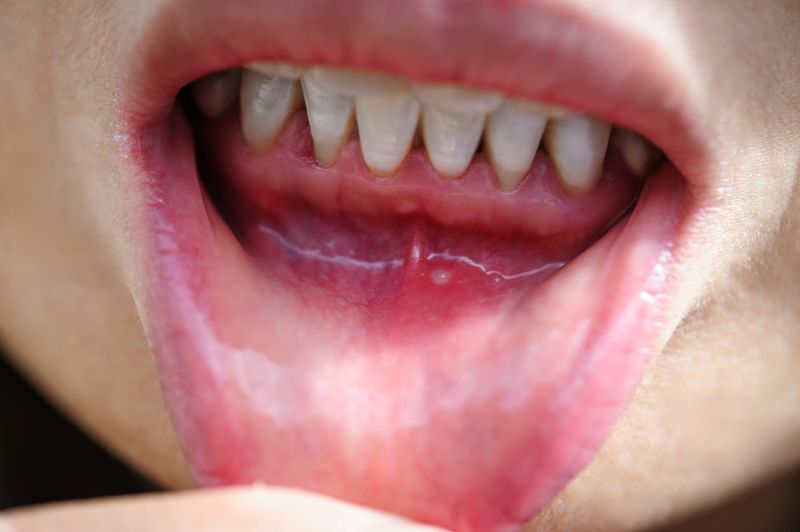
A lot of people do not notice gum recession right away. Then one day a tooth feels sharp when you drink something cold, or your smile looks a little different in the mirror and you cannot quite tell why.
Usually, it comes down to the gumline slowly pulling back over time.
When that happens, more of the tooth shows. Sometimes the root starts to show too. That matters because roots do not have the same enamel protection as the rest of the tooth, so they tend to be more sensitive and more likely to wear down or develop decay.
There usually is not one single cause.
What Causes Receding Gums
Gum disease is a common one. When plaque and tartar sit along the gumline too long, the tissue gets irritated. Over time, that inflammation can start affecting the bone and support around the teeth. As that support breaks down, the gums can recede with it. If you want more background on that side of things, our post on gum health is a good place to start.
Brushing too hard can also be part of the problem. This surprises people. Scrubbing harder does not mean your teeth are getting cleaner. In fact, it can do the opposite if the gums keep taking the hit day after day. A soft-bristled toothbrush and a lighter hand usually work better.
Clenching and grinding can play a role too. So can bite issues or teeth that are out of alignment. When certain teeth take more force than they should, the surrounding support can start to wear down in ways that are not obvious at first.
Some people are just more prone to recession because of genetics. Thinner gum tissue does not always hold up the same way thicker tissue does. And tobacco use does the gums no favors either. Blood flow is worse. Healing is slower. Problems tend to build quietly.
Catching It Early
The good news is that recession is something we watch for during routine visits. At Dental Care of Lucas, we check the gums over time, not just once. If we catch changes early, sometimes the next steps are pretty simple, better brushing technique, treatment for gum inflammation, or a night guard if grinding is part of the issue. Our family dentistry page also gives a good overview of the kind of preventive care that helps us catch things early.
When Gum Recession Needs More Treatment
If recession gets more advanced, treatment may be more involved. That might mean desensitizing products, protecting exposed areas, or in some cases discussing grafting.
Have Questions About Gum Recession?
If your teeth have been feeling sensitive near the gumline, or they suddenly look longer than they used to, it is worth getting checked. Gum recession is common, but ignoring it usually does not make it smaller. It just makes it older.